The Ultimate Guide to Forex Trading Apps Maximize Your Trading Potential 1827035844

The Ultimate Guide to Forex Trading Apps Maximize Your Trading Potential 1827035844
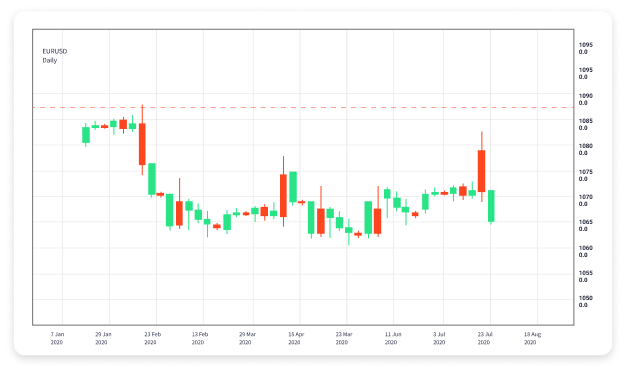
The Ultimate Guide to Forex Trading Apps

In today’s fast-paced financial market, having access to real-time information and trading tools is crucial for any Forex trader. Thanks to technology, Forex trading apps allow traders to engage with the market anytime and anywhere. Whether you are a seasoned trader or just starting, using a Forex trading app can significantly enhance your trading experience. In this comprehensive guide, we will explore the functionalities, benefits, and top Forex trading apps available today. If you’re looking for a reliable resource for Forex trading, visit forex trading app https://brokerdirect.org/.

Why Use a Forex Trading App?

Forex trading apps have revolutionized the trading landscape. Here are some of the key reasons why they are essential:

  • Accessibility: Traders can access their accounts and make trades on the go, provided they have an internet connection.
  • Real-time Data: Stay updated with live market data, allowing for quick reaction times to market changes.
  • User-Friendly Interface: Most Forex trading apps are designed with a focus on user experience, making it easy even for novice traders.
  • Advanced Tools: Traders can use different technical analysis tools, indicators, and charting features which can aid in making informed trading decisions.

Features of an Ideal Forex Trading App

When selecting a Forex trading app, certain features should be considered to ensure it meets your trading needs:

  • Real-Time Forex Quotes: The app should provide live market quotes to make timely trading decisions.
  • Trading Tools: Look for features such as one-click trading, stop-loss orders, and take-profit functionality.
  • Charting and Analysis: Comprehensive charting tools and technical indicators to analyze market trends effectively.
  • Mobile Compatibility: Ensure the app works smoothly on different mobile devices and operating systems.
  • Customer Support: Reliable customer service can help resolve any issues promptly.
The Ultimate Guide to Forex Trading Apps Maximize Your Trading Potential 1827035844

Top Forex Trading Apps in 2023

Here is a selection of some of the top Forex trading apps as we move into 2023:

1. MetaTrader 4 (MT4)

MetaTrader 4 remains one of the most popular trading platforms. It offers a range of analytical tools, automated trading with Expert Advisors, and a user-friendly interface. The app supports various trading instruments, making it a versatile choice for Forex traders.

2. MetaTrader 5 (MT5)

MetaTrader 5 is the successor to MT4, boasting additional features, including more timeframes, enhanced charting tools, and the ability to trade stocks and commodities in addition to Forex, providing a more comprehensive trading experience.

3. TradingView

While primarily known for its advanced charting capabilities, TradingView also allows Forex trading through brokers that integrate with the platform. The community-driven environment provides traders access to various ideas, strategies, and analyses from users worldwide.
The Ultimate Guide to Forex Trading Apps Maximize Your Trading Potential 1827035844

4. eToro

eToro is unique for its social trading features, where traders can copy the trades of successful investors. The app is user-friendly and ideal for those who want to blend social networking with Forex trading.

5. OANDA

OANDA’s app provides robust trading tools with real-time currency data, advanced charting, and customizable trading features. It’s particularly known for its reliability and comprehensive trading analytics.

Common Mistakes to Avoid with Forex Trading Apps

Even with the best tools at your disposal, mistakes can still occur. Here are common pitfalls to avoid:

  • Ignoring Risk Management: Always use stop-loss orders and limit your exposure to any single trade.
  • Neglecting Market Research: Don’t skip analyzing market trends and economic factors just because an app provides signals.
  • Overtrading: Trading too frequently can lead to unnecessary losses. Stick to your trading plan and avoid the impulse to make quick profits.

Conclusion

Forex trading apps have made it easier than ever for traders to access the global currency market. By choosing the right app and utilizing its features effectively, you can enhance your trading experience, make informed decisions, and maximize your potential profits. Remember to stay updated with the latest changes in the Forex market and continuously educate yourself to become a successful trader. With the right tools, your trading journey can be rewarding and enjoyable.
Forex Trading for Beginners A Comprehensive Guide 1627393500

Forex Trading for Beginners A Comprehensive Guide 1627393500

Forex Trading for Beginners: Unlocking the World of Currency Trading

Forex trading, or foreign exchange trading, is the process of buying and selling currencies in the global marketplace. For beginners, it can be overwhelming to dive into this complex financial world. However, with the right knowledge and tools, anyone can become a successful trader. In this guide, we will cover the essential aspects of Forex trading for beginners, including terminology, strategies, and tips for success. And if you’re looking for reputable trading platforms, consider checking out forex trading for beginners Best Indonesian Brokers.

Understanding Forex Trading Basics

The Forex market is one of the largest and most liquid financial markets in the world, with a daily trading volume exceeding $6 trillion. Unlike stock exchanges that operate during specific hours, the Forex market is open 24 hours a day, five days a week. This allows traders to enter and exit positions at their convenience.

In Forex trading, currencies are traded in pairs, such as EUR/USD or GBP/USD. The first currency in the pair is the base currency, while the second is the quote currency. The exchange rate indicates how much of the quote currency is needed to purchase one unit of the base currency. For example, if the EUR/USD exchange rate is 1.2000, it means you need 1.20 USD to buy 1 EUR.

Key Terminology Every Beginner Should Know

  • Pip: A pip is the smallest price movement in a currency pair, typically the fourth decimal place in most currency pairs (0.0001).
  • Leverage: Leverage allows traders to control a larger position with a smaller amount of capital. For example, with a leverage of 100:1, a trader can control $100,000 with only $1,000.
  • Spread: The spread is the difference between the bid price and the ask price of a currency pair. It represents the cost of trading and is how brokers make their money.
  • Margin: Margin is the amount of money required to open and maintain a leveraged trading position. It’s expressed as a percentage of the full position size.

Setting Up Your Trading Account

Before you start trading, you need to choose a reliable Forex broker and set up a trading account. Here are the steps to follow:

  1. Research and Select a Broker: Look for brokers that are regulated, offer competitive spreads, a user-friendly trading platform, and good customer support. Check reviews and ensure they provide security for your funds.
  2. Open a Trading Account: Once you’ve chosen a broker, you’ll need to fill out an application form and provide identification documents to verify your identity.
  3. Fund Your Account: After your account is set up, you’ll need to deposit funds to start trading. Most brokers offer various deposit methods, including bank transfers, credit cards, and e-wallets.

Developing a Trading Strategy

A successful Forex trader doesn’t just jump into trades randomly. Instead, they have a well-thought-out trading strategy that guides their decisions. Here are some popular strategies beginners can consider:

1. Day Trading

Day trading involves buying and selling currencies within the same day. Traders who adopt this strategy aim to capitalize on small price movements and typically close all positions before the market closes.

2. Swing Trading

Swing trading is a medium-term strategy that involves holding positions for several days or weeks. Swing traders aim to profit from price swings and may use technical analysis to identify potential entry and exit points.

3. Position Trading

Position trading is a long-term strategy where traders hold positions for an extended period, ranging from weeks to months. This strategy relies on fundamental analysis and economic indicators.

Utilizing Technical Analysis

Technical analysis is crucial in Forex trading. It involves analyzing price charts and identifying patterns to make informed trading decisions. Here are some tools and indicators that can aid in technical analysis:

  • Moving Averages: These smooth out price data to identify trends over time.
  • Relative Strength Index (RSI): The RSI measures the speed and change of price movements to identify overbought or oversold conditions.
  • Bollinger Bands: This tool helps traders understand volatility and potential price action based on standard deviations above and below a moving average.

Managing Risk

Risk management is vital in trading. Here are some tips to minimize risks:

  • Set Stop-loss Orders: A stop-loss order automatically closes your position at a predetermined price level to limit losses.
  • Limit Position Size: Only risk a small percentage of your trading capital on a single trade (typically, 1-2%).
  • Diversify Your Trades: Avoid putting all your capital into one currency pair; diversify to spread risk.

Wrapping Up: Continuous Learning and Improvement

Forex trading is not a get-rich-quick scheme. It requires dedication, continuous learning, and the ability to adapt to changing market conditions. As a beginner, focus on building a strong foundation, practice with a demo account, and gradually transition to live trading as your confidence grows.

In conclusion, while trading in the Forex market can be lucrative, it also comes with risks. By understanding the basics, developing a sound strategy, and managing risks effectively, beginners can set themselves on the path to becoming skilled traders. Remember to stay patient, keep learning, and always review your trading performance to refine your approach.