
The Essential Guide to Forex Trading Education

In the vast world of financial markets, forex trading education exglobal.pk stands as a critical pillar for aspiring traders eager to make their mark. Understanding the nuances of currency trading is vital, as it offers immense opportunities but also significant risks. This article will delve deep into Forex trading education, providing insights into strategies, resources, and best practices for both beginners and seasoned traders alike.
Understanding Forex Trading
Forex, or foreign exchange, is the process of exchanging one currency for another, often done for various reasons including trade, travel, and investment. The Forex market is the world’s largest financial market, with a daily trading volume exceeding $6 trillion, making it essential for traders to understand how to navigate this dynamic environment.
Why Education is Crucial in Forex Trading
Education in Forex trading is not merely beneficial; it’s indispensable. Here are several reasons why:
- Knowledge of Market Mechanics: Understanding how the Forex market operates is fundamental. This includes knowledge of currency pairs, trading hours, and how geopolitical events can influence currency movements.
- Risk Management: Forex trading carries inherent risks. A comprehensive education provides traders with the tools to manage these risks effectively, allow them to set appropriate stop-loss orders, and diversify their portfolios.
- Emotional Discipline: Trading can be an emotional rollercoaster. Education instills the discipline needed to stick to a trading plan and avoid impulsive decisions based on fear or greed.
- Technical and Fundamental Analysis: Knowledge of both technical analysis (charts and indicators) and fundamental analysis (economic news and events) is critical for making informed trading decisions.
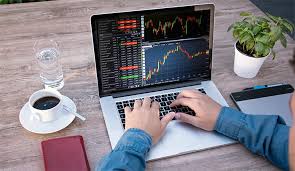
Components of Forex Trading Education
Forex trading education consists of various components that together equip traders with the necessary skills.
1. Basic Concepts
Understanding basic terminology is the first step in Forex trading education. Key concepts include:
- Currency Pairs: Currency trading involves pairs, such as EUR/USD, where one currency is bought while another is sold.
- Pips and Lots: Prices in Forex are measured in pips, the smallest price move. Understanding lots (standard, mini, micro) is also crucial for calculating trade sizes.
- Leverage and Margin: Leverage allows traders to control large positions with a smaller amount of capital, but it also increases risks significantly. Knowing how to use leverage responsibly is essential.

2. Market Analysis Techniques
Traders rely on two primary analysis techniques:
- Technical Analysis: This involves analyzing charts and using indicators to predict future price movements based on historical data. Popular tools include moving averages, RSI, and MACD.
- Fundamental Analysis: Traders must also analyze economic indicators, financial news, and geopolitical events that can affect currency values. Key indicators include GDP, employment rates, and inflation.
3. Developing a Trading Strategy
A robust trading strategy is key to successful Forex trading. Here are components to consider when developing your strategy:
- Trading Style: Decide whether you prefer scalping, day trading, or swing trading based on your time availability and risk tolerance.
- Entry and Exit Points: Define clear criteria for when to enter and exit trades, incorporating both technical and fundamental factors.
- Risk-to-Reward Ratio: Setting a defined risk-to-reward ratio helps assess the potential profitability of each trade relative to the risk.
Recommended Resources for Forex Trading Education
Numerous resources exist for aspiring Forex traders seeking education. Here are some valuable ones:
- Online Courses: Platforms like Udemy and Coursera offer courses ranging from beginner to advanced Forex trading strategies.
- Books: Some renowned titles include “Currency Trading for Dummies” by Kathleen Brooks and “The New Trading for a Living” by Dr. Alexander Elder.
- Webinars and Workshops: Many financial institutions and trading platforms provide live training sessions with expert traders.
- Trading Communities: Engaging in forums and trading communities can provide practical insights and support from fellow traders.
Practice with a Demo Account
Before diving into live trading, it’s advisable to practice with a demo account. Most Forex brokers offer demo accounts that allow you to trade with virtual money using real market conditions. This is a valuable step in testing your strategies without financial risk.
The Role of a Broker in Forex Trading Education
Choosing the right broker is another critical aspect of Forex trading education. A reliable broker not only provides access to trading platforms but also offers educational resources, market analysis, and customer support. Look for brokers with:
- Regulatory Compliance: Ensure the broker is regulated by a recognized authority.
- Educational Resources: Check for the availability of webinars, articles, and market analysis.
- User-Friendly Platforms: The trading platform should be intuitive and offer the necessary tools for analysis and execution.
Conclusion
Forex trading education is a lifelong journey that requires dedication and continuous learning. By understanding the fundamentals, developing effective strategies, utilizing available resources, and practicing diligently, you can enhance your trading skills and increase your chances of success in the competitive Forex market. Remember that successful trading is not solely about making profits but also about understanding risk management and making informed decisions. As you embark on your trading journey, keep your mind open to learning and evolving with the market.
Leave a Reply